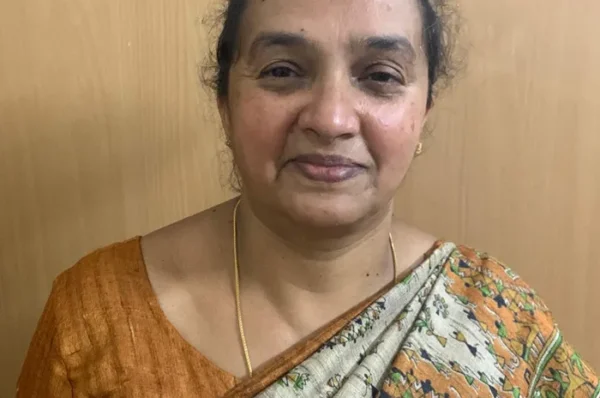
Sheela Powell was already running a small self-help group making cushion covers and household goods in Ooty when, in 2005, a group of women from the Heritage tribal community approached her for help. They had beautiful hand-embroidered shawls to sell, but no reliable way to reach the tourists who visited the Nilgiris every season. That request became the foundation of Shalom Ooty.
Bridging a market gap
The barrier wasn’t the quality of the work — it was access. Heritage artisans often lacked the language and market knowledge to negotiate fair prices with visiting tourists. Sheela, who understood the community from her own school years alongside Heritage girls, stepped in to bridge that gap, buying finished embroidery directly from artisans and taking on the job of selling it.
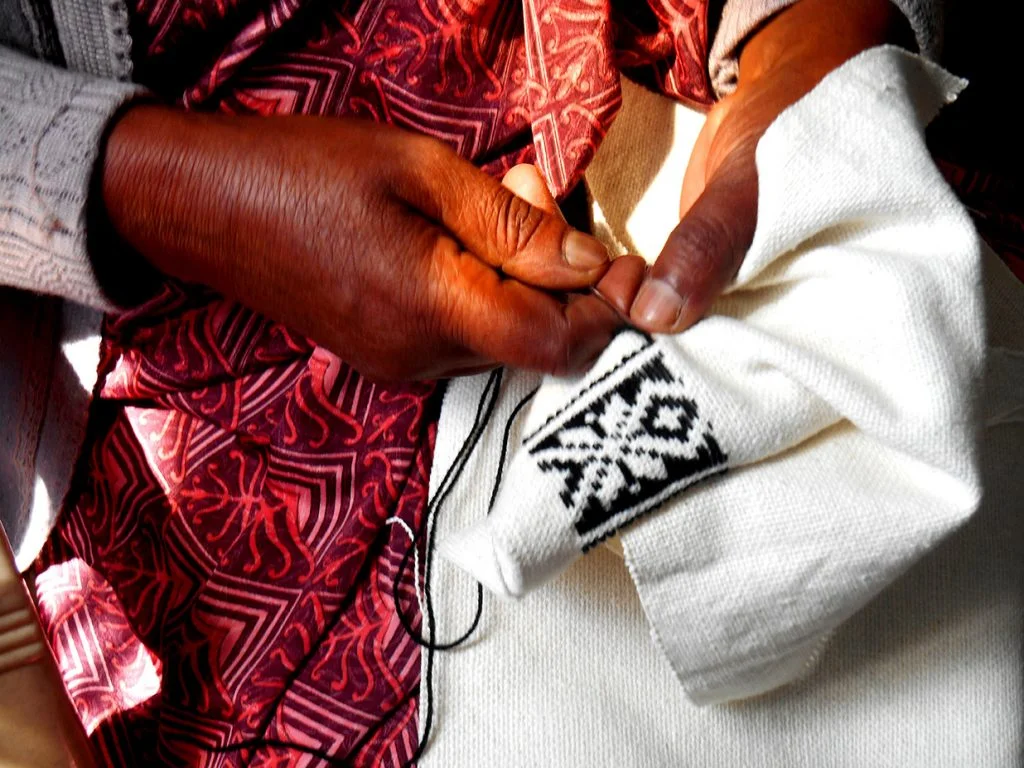
Today, Shalom Ooty works with around 200 women, out of more than 250 who have been part of the initiative over the years. Artisans typically earn between roughly ₹2,000 and ₹5,000 a week for their embroidery, and Shalom’s products — shawls, handkerchiefs, tablecloths and purses in the tribe’s signature red-and-black thread work — are now distributed across major Indian cities as well as Tribes India showrooms.
A craft under quiet threat
Despite this growth, Sheela Powell is candid about the challenge ahead: the pool of active embroiderers is shrinking. Of an original Heritage population of around 1,400, only 200 to 300 community members still actively practice the craft, as younger generations increasingly move toward formal education and urban employment. It’s part of why Shalom Ooty’s role — providing a steady, dependable market for the artisans who do continue — matters as much for cultural preservation as it does for livelihoods.