Heritage embroidery, known locally as “Pukhoor,” is built entirely from red and black thread stitched onto white cloth, its motifs drawn from Heritage mythology. It’s a striking, instantly recognisable craft — but for the tribal women who create it, turning that craft into a livelihood has historically meant overcoming real barriers to market access. That’s the gap Shalom Ooty was built to close.
A founder shaped by proximity
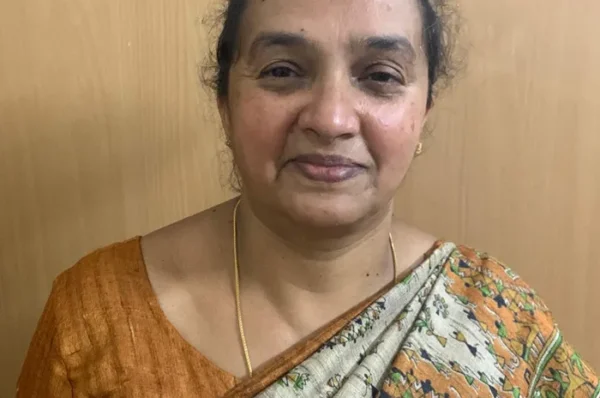
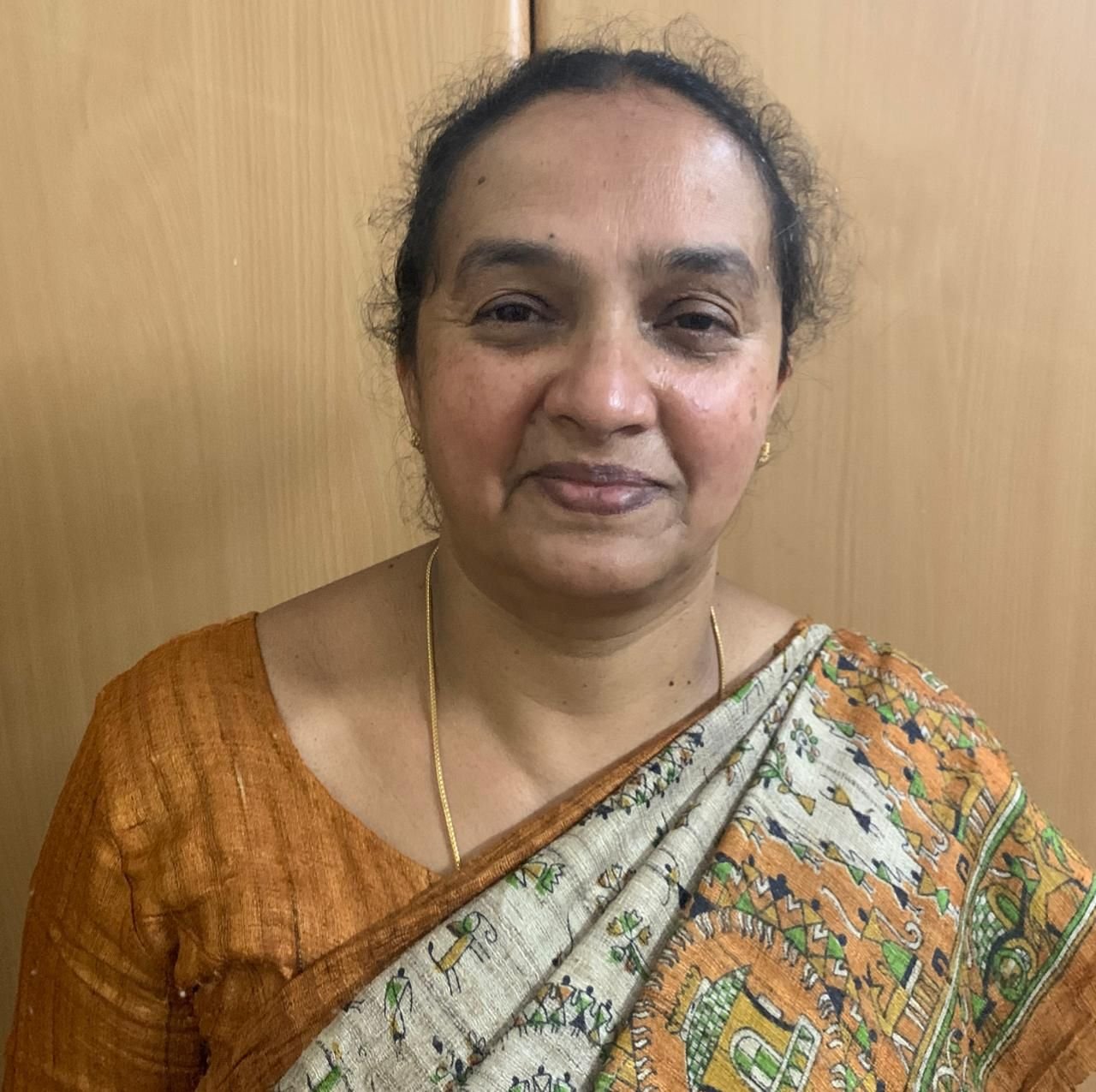
Sheela Powell’s connection to the Heritage community goes back to her own school days at Gel Memorial Girls Higher Secondary School, which serves Heritage families. That early familiarity shaped her decision, in 2005, to found Shalom Ooty after Heritage women approached her seeking help selling hand-embroidered shawls. Since then, the initiative has worked with more than 250 women, with around 150 actively engaged today.
Fair pricing, wider reach
Artisans working with Shalom Ooty earn between roughly ₹500 and ₹5,000 a week depending on output, and finished products range from around ₹100 for small accessories to ₹25,000 for elaborate embroidered pieces. That range reflects real expansion in where and how the work is sold — through two stores in Ooty, Tribes India showrooms, Kamala stores, and Last Forest, a social enterprise focused on forest and tribal produce.
An honest look at what’s ahead
Sheela doesn’t shy away from the sustainability question. As more young Heritage women pursue formal education and urban careers, fewer are learning the embroidery itself. She has floated the idea of training women outside the community to keep the craft alive, though it remains a sensitive proposition within the Heritage community itself. Her own framing of the work captures why she continues regardless: “I found a bigger purpose.”