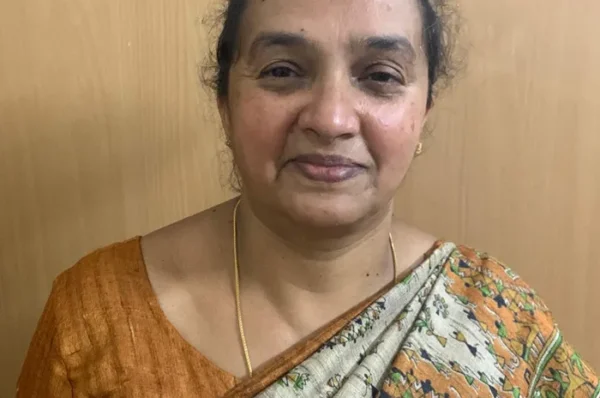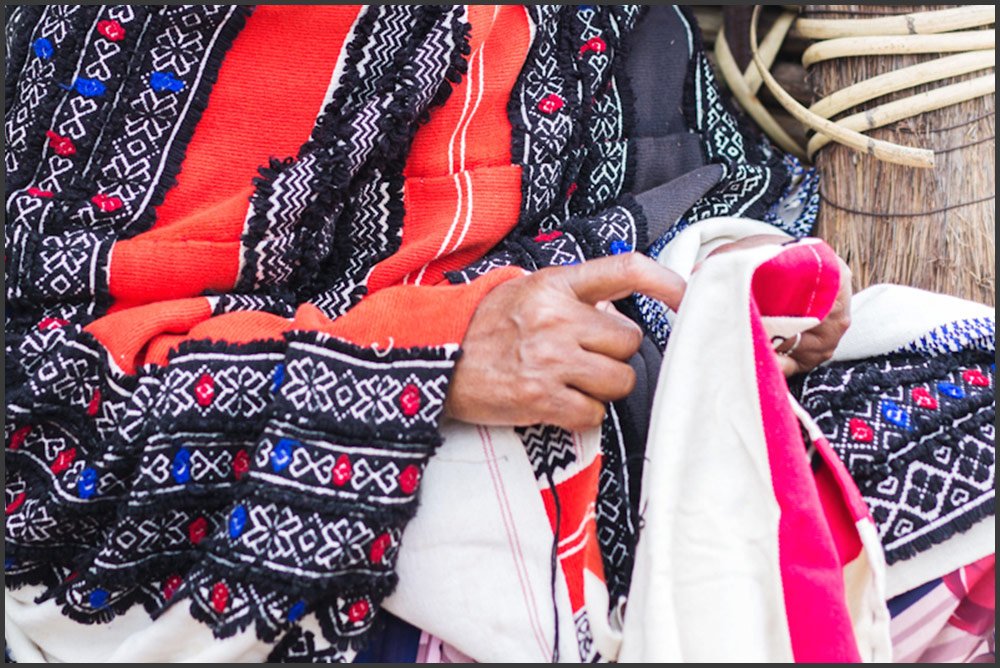
Every fortnight, a 90-year-old Heritage artisan named Pongeri Pattima sells hand-embroidered fabric strips to Shalom Ooty, earning roughly ₹6,000 a month — a steady income built on a skill she has practiced her entire life. Her story is one small window into what Shalom Ooty’s work with the Heritage community actually looks like, artisan by artisan.
“I wanted to provide these women peace”
Founder Sheela Powell has been direct about why she named her enterprise Shalom, Hebrew for peace: “Toda women are an oppressed lot. Shalom stands for ‘peace’ in Jewish and I chose this name as I wanted to provide these women peace through economic independence.” Since founding the enterprise in 2005, she has worked to turn that intention into a functioning, fair marketplace for roughly 250 Heritage women.
From shawls to everyday accessories
Part of that work has meant rethinking what Heritage embroidery is applied to. “Earlier, they embroidered shawls, which only the rich tourists would buy,” Sheela has explained. “We trained them to make small products like clutches, coin purses, and mobile covers, pricing them between ₹50 and ₹100.” The shift opened the craft up to a far wider set of everyday buyers, not just tourists looking for a single statement piece.
A technique passed down, not drawn
What makes the craft especially demanding is that nothing is sketched out in advance. As Sheela describes it: “The designs or patterns are not traced and motifs are embroidered by counting the warp and weft threads of the cotton fabric.” It’s a skill built entirely on memory and precision — the same skill Pongeri Pattima, at 90, still brings to her work every fortnight.